Saturday, October 29, 2011

WARRIORS, TOMBS & TEMPLES at the BOWERS MUSEUM- SANTA ANA


Ed and I were part of a DayTripper group that  enjoyed a Chinese lunch in Irvine before visiting the Bowers museum. 
                                                                                                                                                                              This exhibition focused on the underworld empires of three dynasties in China: the Qin, the Han and the Tang. The highlight featured several life-size terra cotta warriors that were to protect Qin Shihuangdi ,the first emperor of China.  They are examples of more than a 1,000 clay warriors that have been excavated in Xian since they were discovered in 1974 of an estimated 8,000 that were buried.   Originally they had painted garments. Chariots and hundreds of terra cotta horses were also buried to accompany the emperor in the afterlife.  Miniature statues and earthenware animals accompanied Han emperors.  Many treasures of gold, silver and glass  that accompanied the Tang  rulers and elite were also on display.


The museum also has a large collection of Native American Art and exhibits of Orange County history.


Saturday, October 15, 2011

THE HUNTINGTON BOTANICAL GARDENS

THE HUNTINGTON BOTANICAL GARDENS


Members of the the La Jolla Village Garden Club enjoyed a day trip in October by bus to the Huntington Library, Art Collections and Botanical Gardens in San Marino.  The focus was garden tours led by docents with some time left to see some of the art collection and library.
The Botanical Gardens cover over 120 acres with more than a dozen gardens. 


The hightlight was the Chinese garden, known as The Garden of Flowing Fragrance, which features a lake, a complex of pavilions, a teahouse and five stone bridges. The design was inspired by private gardens in Suzhou, China.  Chinese architecture and rocks surround a lake with layers of meaning and symbolism. Water symbolizes the ever changing and the rocks are the eternal.   Intricately  crafted lattice windows in some of the pavilions frame an object or scene.  Carvings adorn some of the walls. Certain plants represent various seasons with flowering trees in the spring and bamboo and pines in the winter.


Other important botanical attractions that were visited included the Subtropical, Jungle, Palm, Rose and Desert gardens.


Our garden group also enjoyed lunch at the Rose Garden Tea House that featured scones, an assortment of tea sandwiches, salads and assorted little dessert treats.


A brief look at the art collection in the Huntington residence included the large portrait gallery that features Blue Boy and Pinkie.

An example of the Sevres porcelain used for potpourri is shown.                                                              
                            One of the highlights in the Library is the Gutenberg Bible                                                                 


A last look at the terrace of the Huntington residence to complete the day visiting the gardens and art galleries.


Monday, September 26, 2011

Ronald Reagan Library and Museum


 THE RONALD REAGAN MUSEUM AND LIBRARY

Ed and I took a DayTrippers excursion for this visit to Simi valley.
The Library and Museum  complex is situated on a hill overlooking surrounding mountains and valleys.   There is a full sized replica of the Oval Office. The stories of Ronald and Nancy Reagan are told with photos, film clips and artifacts. 

The exhibits represent the life of Ronald Reagan from high school,
college, as governor of California and the presidency


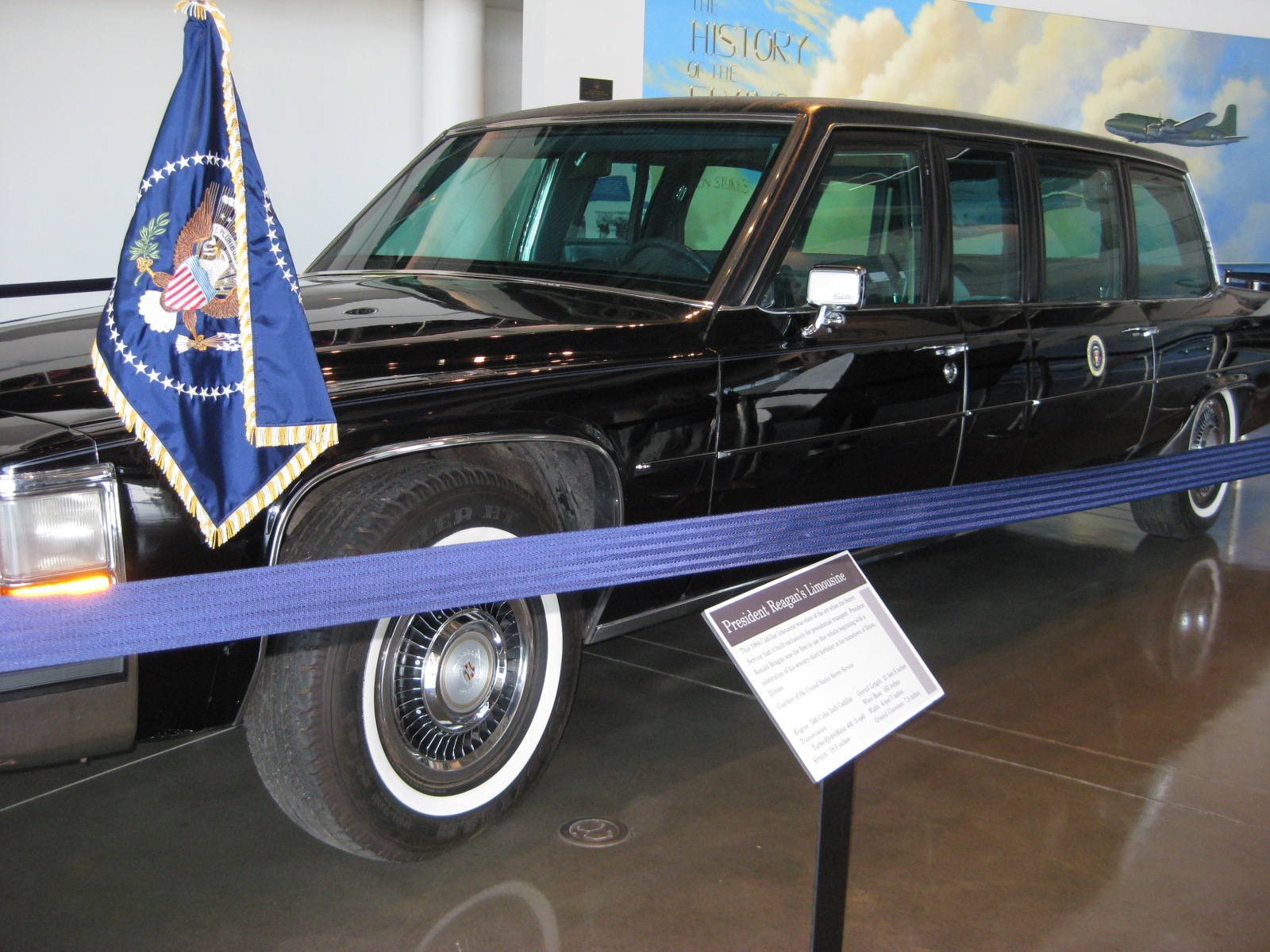
 One can board the actual Air Force One and see a Marine One helicopter and a Presidential Motorcade.

 Presidential gifts are on display including a piece of the Berlin Wall.  Another display area includes items from their ranch.  Other features are a Rose Garden and  a Memorial site.


Friday, August 12, 2011

JAPANESE FRIENDSHIP GARDEN


The Japanese Friendship Garden in Balboa Park is designed to present an atmosphere of elegant simplicity and quiet beauty. The design is guided by the original principles of the Japanese garden while incorporating elements of the regional landscape and climate. 

To the right of the Entry Gate, the Entrance Stone is inscribed with the kanji symbols of the Garden's name, San-Kei-En.  The Stone was a gift to the Garden from the San Diego-Yokohama Sister City Society.


The Garden originated as a teahouse during the 1915-16 Panama-California Exposition.


 Traditionally, the sound the Shi-Shi-Odoshi makes against the rock basin keeps evil spirits away. Here the Shi-Shi-Odoshi is used for the sound it makes in the silence of the Garden. The tsukubai (rock basin) catches the water as it spills from the shi-shi-odoshi.


Bonsai (pronounced bone-sigh) is an ancient horticultural art form. Literally meaning “tray planting”, it is the art of dwarfing trees or plants and developing them into an aesthetically appealing shape by growing, pruning and training in containers according to prescribed techniques.


Recently members of a P.E.O. group visited the garden followed by lunch at a nearby cafĂ©.  P.E.O. is a philanthropic and educational women’s organization.

Sunday, July 24, 2011

CATALINA


CATALINA

Ed and I drove to Dana Point to take the Catalina Express to Catalina for the day.

Leaving Dana Point for Avalon, CatalinaZip line platform
Catalina is one of the eight Channel Islands off the Southern California.  Five of the islands make up the  Chanel Islands Nationl Park. The earliest settlers  date back at least 7000 years.  The island was claimed by Rodriguez Cabrillo in 1542 for Spain.  Sebastian Viscaino named the island in 1702 after the Feast Day of St. Catherine .  The first development was in 1887 by George Shatto with a wharf and the Hotel Metropole and the area was named Avalon..  Later the Banning brothers took over developing Avalon adding an aquarium, amphitheater and dance pavilion.  They also introduced the glass bottom boat.  Unfortunately half of Avalon burned in 1915  and the Banning brothers were not able to recover  financially.  William Wrigley, Jr. took over financing the Santa Catalina Island Company and he built an airport, constructed  a home, added large passenger steamships and built the Casino


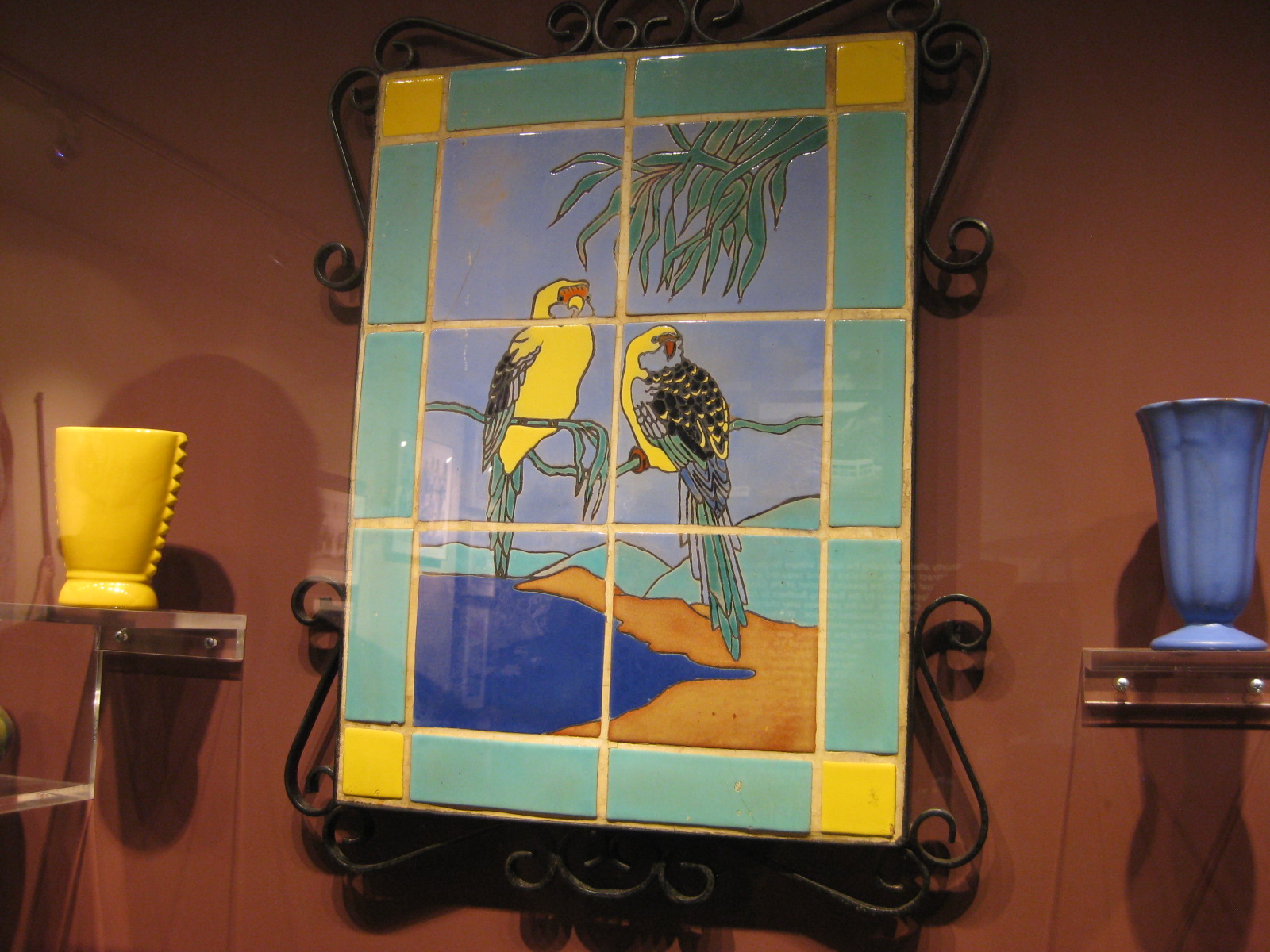
 Much of the island is undeveloped  and cared for by the Santa Catalina Island Conservancy. The Casino is Avalon’s most recognizable sight and the Ballroom was famous for Big Band performances. A museum at the Casino has exhibits on the history of Catalina, Hollywood Stars associated with the island and the decorative tiles and pottery produced locally until 1937.

                               Local trolley
Catalina Yacht Club

There are plenty of activities to enjoy: swimming, fishing, shopping, dining, glass bottom boats, parasailing, hiking, backcountry  tours, and there is even a new zip line.  We took 2 tours during this visit to see some of the back country along with a tour of Avalon. Both were informative and worthwhile.